Electroculture: Harnessing Electricity for Generous Landscapes
Electroculture: Harnessing Electricity for Generous Landscapes
Blog Article
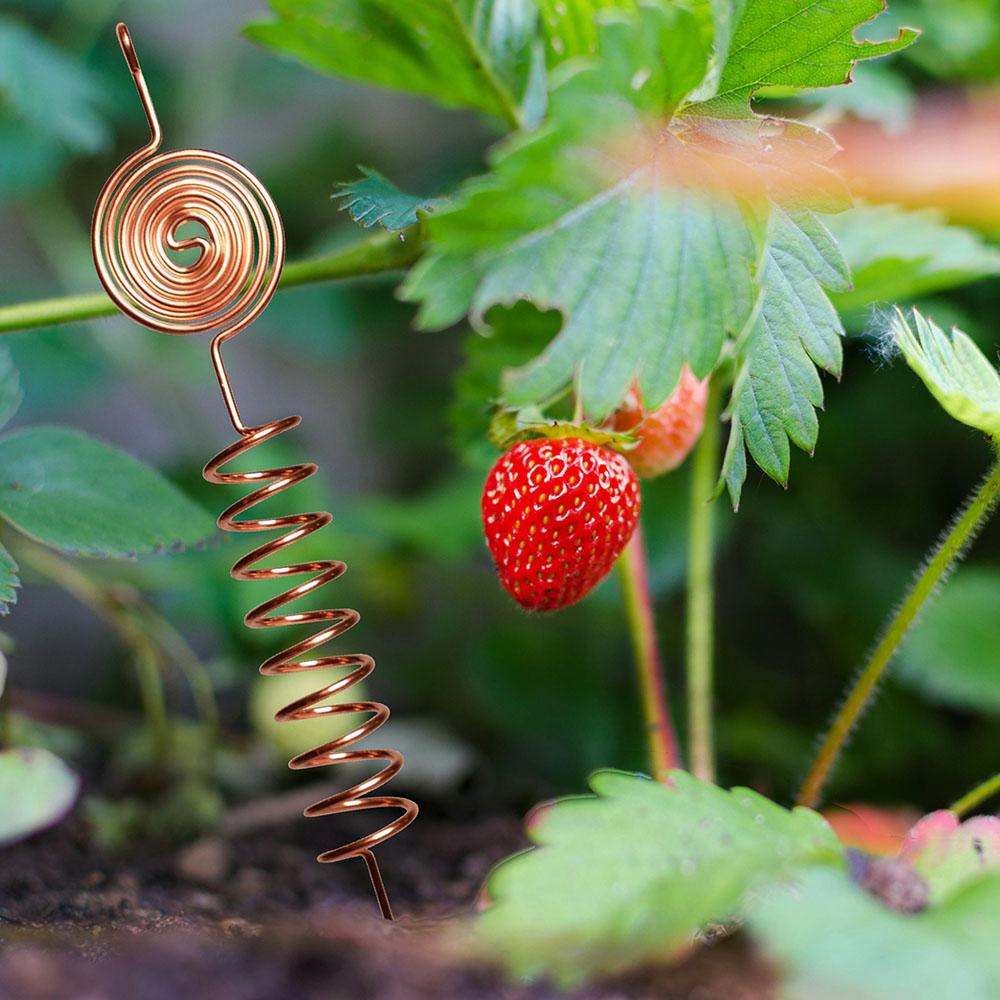
Electroculture, a fascinating technique , indicates that crops can flourish when exposed to low-voltage electrical charges. Some electroculture contend that this gentle jolt promotes mineral assimilation, resulting to quicker growth and conceivably more production. While mainstream validation remains limited , dedicated practitioners report astounding gains in their home gardens , inspiring additional exploration of this nascent approach to agriculture and produce production .
Getting Started to Electrical Gardening
Curious to try a new gardening method ? Electroculture gardening involves harnessing electric energies to boost plant growth . It's sounds complex , but the fundamental principles are surprisingly straightforward to understand . Typically, it requires creating a grid of copper wire around your plants , sometimes connected to a low-voltage energy source. While scientific proof exists limited, many gardeners experience significant benefits in vegetation health and output . Let’s briefly cover the fundamentals in upcoming sections.
Is Bio-Electrical Agriculture Really Work? Separating Truth from Fantasy
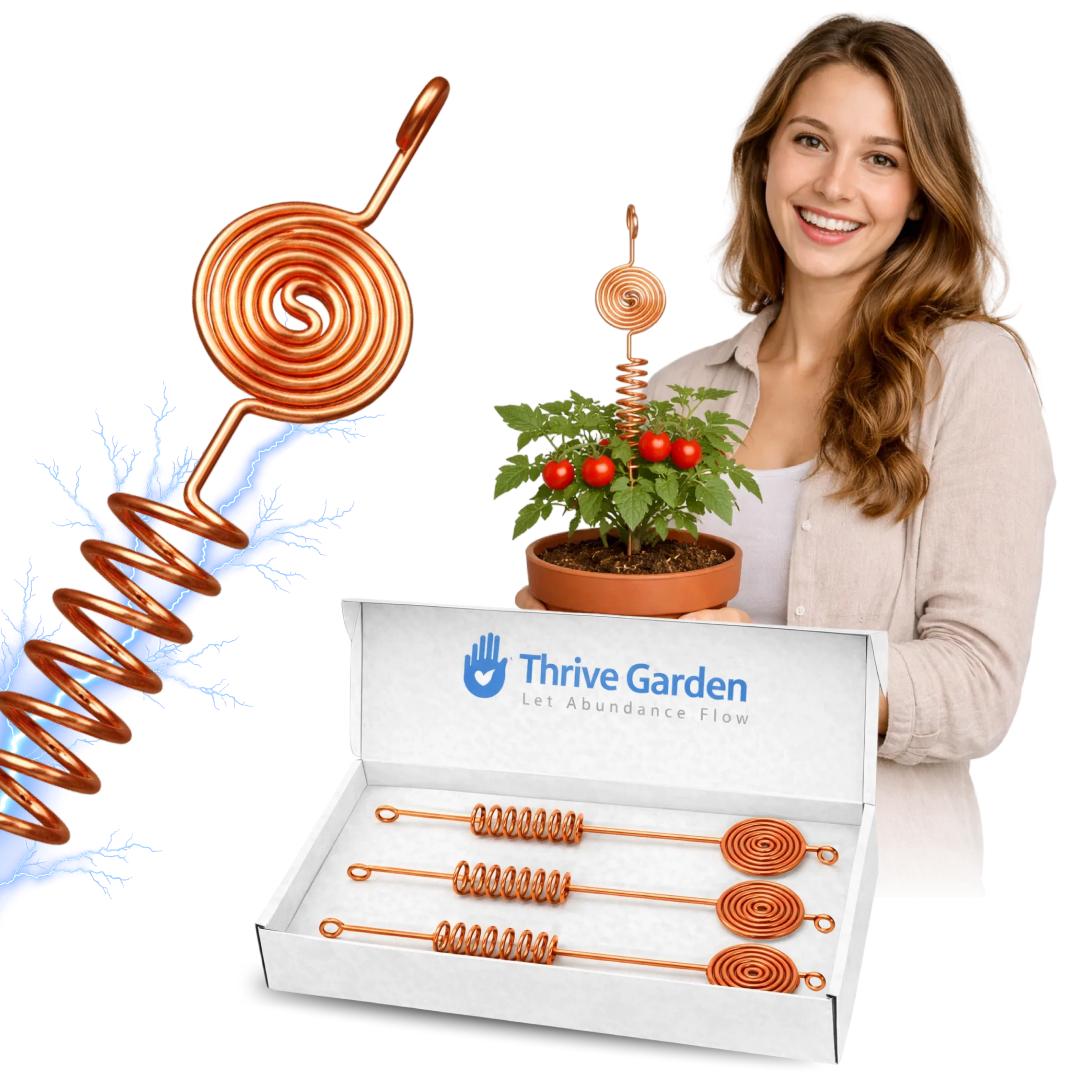
Electroculture, a process employing minimal electricity to stimulate vegetation growth, ignited significant buzz online. However, it's vital to closely examine the claims and separate genuine findings from unsubstantiated hype. Despite several primitive experiments seem to show improved outputs, the empirical basis remains mostly obscure. Several claimed successes could be attributed to hidden influences, such as the earth, water management, or straightforward coincidence. More rigorous study and official confirmation are essential to establish if electroculture involves a reliable farming method .
Setting up Your Own Electroculture Garden: A Detailed Guide
Embarking on the intriguing world of electroculture can appear daunting, but building your homemade electroculture garden is surprisingly achievable with a some basic steps. First, gather your materials: a pot , copper strips, zinc material, water, and a here electricity – a small battery or DIY cell can suffice. Afterward, arrange the copper and zinc encircling the water in the container, ensuring they haven't touch. The bioelectrical field generated between these metals is believed to encourage plant growth . Finally, watch your plants and modify the system as needed – electroculture is as much dealing with experimentation as it is dealing with following directions .
Electroculture vs. Traditional Cultivation: Which The Distinction?

Several horticulturists are investigating bio-electrical farming as an method to traditional cultivation. While both pursue to cultivate vibrant crops , they employ drastically contrasting strategies. Traditional horticulture relies on soil elements, light , and water , often with added enhancements. In opposition , bio-electrical farming harnesses a small current to activate plant maturation, possibly reducing the dependence on earth and conventional fertilizers . In conclusion, electroculture signifies a relatively emerging field in cultivation with unique opportunities.
Boosting Plant Growth with Electroculture: Potential & Practicalities
Electroculture, a fringe technique indicating plant growth through electrical currents , has ignited considerable attention amongst gardeners . Historical reports asserted remarkable increases in production and general plant health . While the specific mechanism is unclear , some explanations point to improved water absorption and nutrient distribution within the soil . Practical uses can extend from simple DIY setups utilizing copper and zinc terminals to more complex setups . However, it’s essential to consider electroculture with consideration, acknowledging the scant peer-reviewed rigorous proof and potential hazards associated with incorrect implementation. Further research is required to entirely comprehend the chance and limitations of this intriguing technique to cultivation.
- Potential benefits include increased yield and improved plant health.
- Consider the need for further research and scientific validation.
- Practical applications range from simple DIY systems to complex configurations.